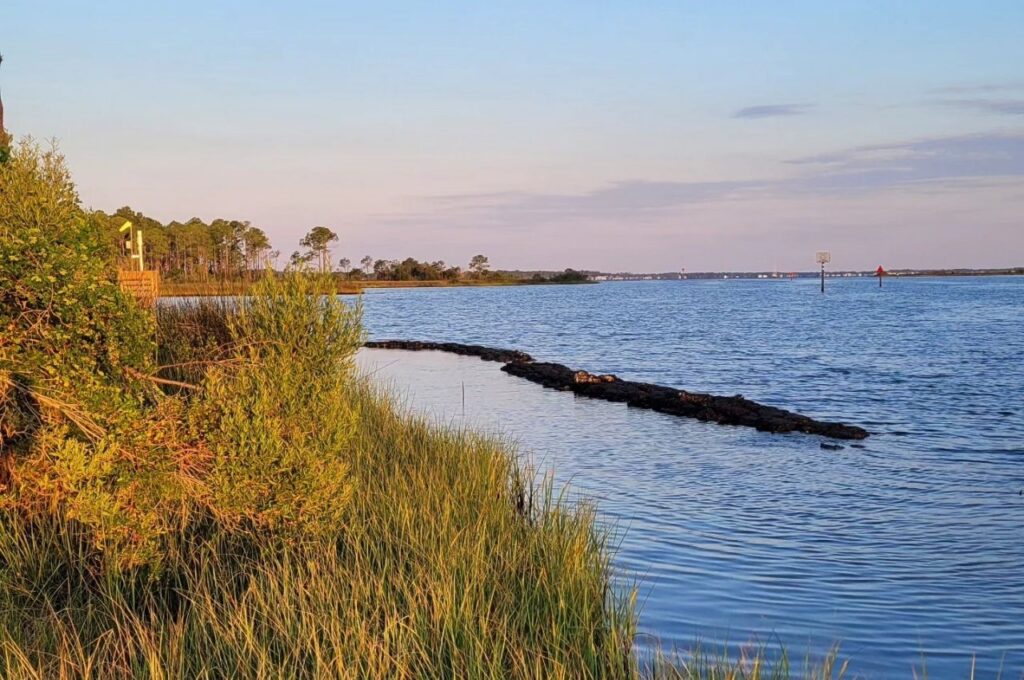
The Choctawhatchee Basin Alliance (CBA) is recruiting citizen scientists and volunteers for its Oyster Gardening Program, which aims to restore one acre of oyster habitat in Choctawhatchee Bay while providing hands-on environmental education.
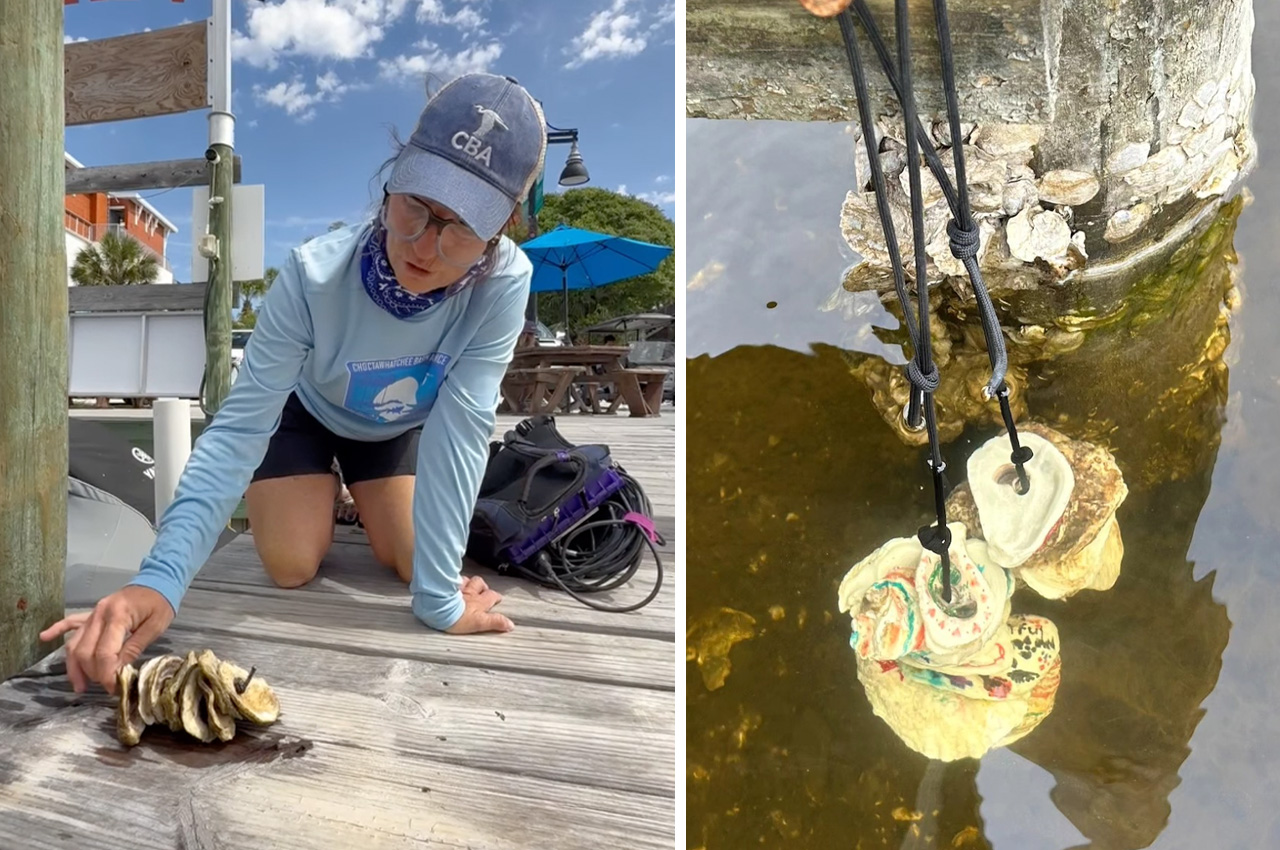
- The program allows community stewards to raise their own oyster gardens for restoration, with each oyster filtering up to 50 gallons of water per day. The CBA has already restored over an acre of oyster reef through the efforts of about 20 volunteers maintaining approximately 50 gardens across the bay.
Tucker Reynolds, restoration and monitoring specialist with the Choctawhatchee Basin Alliance, said the program is designed to get everyday citizens involved in restoration activities that can make a real environmental impact.
Due to increased interest from recent social media posts, the CBA is planning a workshop for July 12 at Bluewater Bay Marina in Niceville. The workshop will allow multiple volunteers to build their gardens simultaneously and learn about oyster care, replacing Reynolds’ typical one-on-one training approach.
“We’re always looking for volunteers,” Reynolds said. “There’s no maximum number of volunteers that we can have.”
- Current volunteers are spread throughout Destin, Shalimar, Santa Rosa Beach, Choctaw Beach and Freeport.
To participate, volunteers must meet several requirements. They must be free of any Fish and Game violations within the past three years and have access to a dock or pier. Volunteers also must be able to lift up to 30 pounds and arrange pickup of oyster gardens in late April or early May during the Move Your Mollusk event.
The program requires a weekly time commitment of roughly 1 hour for garden maintenance. Weekly care involves removing mud, algae, fouling organisms and predators such as blue crabs and oyster drills from gardens. While a hose makes cleaning easier, it is not required.
Volunteers grow their oysters for about a year until they reach approximately three inches in size. During the annual ‘Move Your Mollusk’ event, community-grown oysters are transplanted to seed newly constructed reef breakwaters or enhance existing reefs.
- The program serves as environmental education, teaching participants about oyster biology and ecological impact over the growing cycle.
“A lot of people just think of oysters as food and animals in the water that don’t do a whole lot,” Reynolds said. “And the cool thing is that over the course of a year, they really get to see the oysters grow.”
The initiative incorporates sustainability through the alliance’s Shell Recycling Program, which collects shells from local restaurants. These shells are cured for at least six months before being used in oyster gardens.
“All the shells that we use for our oyster gardens come from our Shell Recycling Program, which collects shells from restaurants,” Reynolds said. “So every shell that’s in the oyster garden has come from a local restaurant.”
Interested volunteers should contact program coordinator Tucker Reynolds at reynol59@nwfsc.edu. Information about the July 12 workshop will be posted on the organization’s website and social media channels once details are finalized.