

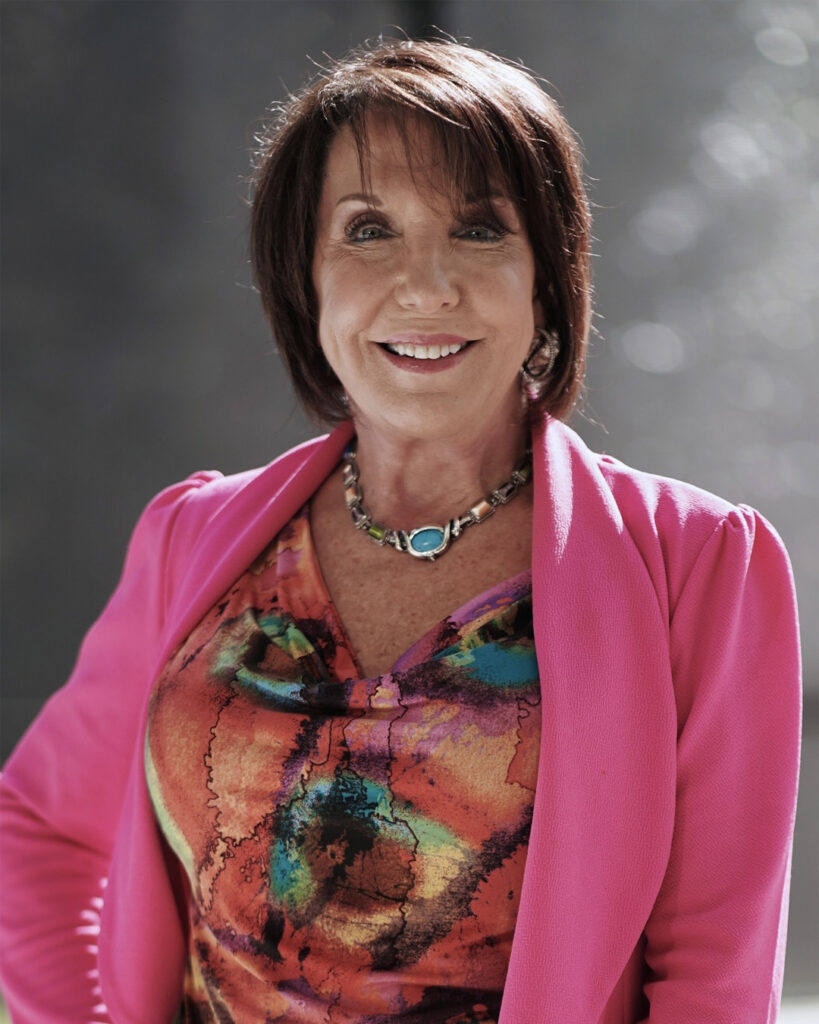
Many local longtime homeowners are living in houses that no longer fit their lives, and realtor Lisa Norton said the hardest part of helping them move forward is rarely about square footage.
- “Many of the families that I’ve met with, they’re not just deciding where to move. They’re deciding how to let go of this big chapter in their life,” Norton said. “These are homes where they’ve raised their children, maybe grandchildren, held holiday gatherings and built decades of great memories.”
Norton said much of the region’s housing stock dates to the 1960s, when the area was a small beach community. Decades later, many of the original buyers are still in those homes but have very different needs.
Her role, she said, is helping clients understand the options available locally and “visualize that next chapter and have a plan before you’re forced into making a decision.”
‘The home is telling you..’
She said the issue came into focus through her own neighborhood, where elderly residents have either passed away or moved to be closer to family or healthcare.
At 67, Norton said she also began thinking about her own future, and about what’s been called the “silver tsunami” — tens of thousands of people turning 65 every day.
She said the questions hit close to home. Norton lives in a townhome and said she originally bought it thinking her primary bedroom on the main floor would allow her to age in place. But after spending time in the field, she started looking at her own home differently.
- “My doorways, if I had to be in a wheelchair, may not be able to be retrofitted,” she said. Her shower has a four-inch lip rather than a zero entry, and she’s not sure it’s wide enough for a wheelchair.

Whether to renovate or sell comes down to the numbers, she said. If the cost of making a home accessible exceeds what it’s worth, it may make more sense to sell and roll the equity into a property that already fits.
“You have to educate yourself,” she said. “People can stop and turn around and look at their house and say, ‘Will this work for us? And what would we need to do?'”
According to Norton, the signs a home has outgrown its owners tend to creep up quietly. Homeowners often stop using rooms such as formal dining rooms or extra bedrooms, spending most of their time in the kitchen, den and primary bedroom. Stairs may become difficult, and routine maintenance can grow overwhelming.
- “When you start finding somebody who spends more time in just one certain area of a home, that’s the home telling you you may need to downsize a little bit because you don’t need all this space,” she said.
Norton said many longtime owners have built significant equity over 20 or 30 years, which can be used to purchase a more manageable property, fund renovations or move closer to medical care.
Letting go of the family home
Conversations about leaving a longtime home are often emotional for both the homeowner and adult children. Norton recalled helping relocate an elderly man closer to one of his daughters while another daughter, who lived locally, struggled to let go of the family home.
“Home is where your heart is. It’s not necessarily this home,” Norton said she told the daughter. “All those memories go with you and will still be a part of your family.”
She said her approach is to slow the process down and move families from a reactive position to a planning one, listening not only to what clients say but to what they don’t say.
- “Once people can see that downsizing can maybe increase their freedom instead of just reducing independence, the conversation then shifts from fear to a new possibility,” she said.
Common mistakes
The most common mistake families make, Norton says, is waiting until a decision becomes urgent. She said the average age at which someone needs to make some kind of lifestyle change is 72, often triggered by the loss of a spouse, mobility challenges or a move to a wheelchair.
Other mistakes include underestimating how long preparation takes, over-improving a home before selling it and failing to bring in the right professionals early.
What downsizing looks like locally
Downsizing locally doesn’t have to mean giving up the coastal lifestyle, Norton said. In Niceville, many buyers choose single-story homes in established neighborhoods near medical services, with easy access to Eglin Air Force Base and to Destin via the Mid-Bay Bridge. Fort Walton Beach offers a range of condos and single-story townhomes, while Destin draws those who want low-maintenance coastal properties near the water.
Not every single-story home is automatically accessible, Norton noted. A home with several steps leading to the front door still presents a barrier for someone with mobility challenges.
- “You can’t have four steps going up to the front door,” she said. “You need to make it so that if they can’t go up stairs, then what are the options for them to get into their home?”

Independent living, assisted living, memory care and skilled nursing facilities are also available in the area, Norton said.
She said she has noticed new construction trending toward wider doorways and hallways, along with features such as drawer microwaves and long, sleek cabinet handles that are easier for people with arthritis to use.
When maintenance has slipped
For families dealing with a home where maintenance has slipped, Norton said the answer depends on the sellers’ situation and motivation. Selling as-is can be less stressful, but most buyers will need a loan, and Florida insurers have tightened requirements on items such as roof age and water heaters.
In one case she’s currently handling, the roof had been replaced within the last four years, but the water heater was 40 years old and will need to be replaced before a buyer can secure affordable insurance.
For sellers who do make updates, Norton said to keep them small — a fresh coat of paint, new carpet — rather than major renovations like a kitchen overhaul or new appliances.
Building a transition plan
Norton described a transition plan as a roadmap that includes evaluating the current home, exploring future housing options, coordinating any needed repairs, and connecting with estate attorneys and financial planners. She recommends starting the conversation at least two to four years before a likely move.
She said she provides clients with a preferred vendor guide of professionals she has personally vetted — people she trusts to show up, do quality work and treat clients fairly.
Norton said she also looked into whether certified senior move managers operate locally and found the area does not currently have one. Senior move managers hold a professional certification and help coordinate all aspects of a household transition, from sorting belongings to packing and identifying items of value.

“I’ve heard horror stories about the kids not realizing that was a great value and they just took it and donated it or put it in the trash,” she said.
She said timing is almost always driven by life circumstances first and the market second, but homeowners who simply want to reduce maintenance, lower expenses or free up equity should not wait for a life event to act.
“Planning early just creates the most freedom,” she said. “And I think with that, it also brings peace.”
Touring care communities
When touring assisted living or memory care communities, Norton said families should pay attention to whether the facility looks and smells clean, how staff greet visitors, and how residents interact with one another.
At one independent living community she toured, Norton said residents stopped her unprompted to strike up conversation — and when they learned what she does, they told her how happy they were living there.
“The whole atmosphere should feel somewhat warm and welcoming, not depressing,” she said.
Key questions could include:
- What happens if a resident’s needs change? What services are included versus extra? Are cameras allowed? What does daily life look like?
Start the conversation
For families who think a move could be in their future, Norton said the most important step is simply to start the conversation. That includes talking with adult children, gathering important documents such as trusts, healthcare directives and durable powers of attorney, and identifying trusted professionals.
“My job in real estate is to give my customers all the information that they need to make the best informed decision for themselves,” Norton said. “And it’s no different with seniors. The more you know, the more informed you are, the better the plan, and you’ll be ready.”

2 Responses
Very timely article as we sit in my in-laws house in Wisconsin hours before going to view a one-story condo located right next to their best friends. Sadly, they didn’t downsize 4-5 years ago when we adult children saw their home, my husband’s childhood home that is 50 years old, had become too much for them…but they refused to leave because “it was the house they built”. In December, my father-in-law fell doing maintenance on the house and has a TBI and wheel-chair bound and there are only entrances with multiple steps in their home. The siblings are divided on the move, and emotions are running high. My husband and I promise not to do this to ourselves and to our adult children as there is 50 years of stuff to get ride of in the downsizing that it will take a year to sort through everything and get the house ready to sell. Thanks for writing this article as I will be sending it to all the siblings and reading it to the in-laws, as well.
Cara, I am so sad to hear what happened to your father-in-law. I certainly do understand the mix of emotions going on when coming to the decision to sell the family home. It is very common. I would recommend that you purchased the book “Keep the Memories…Lose the Stuff by Max Paxton. He shares stories of families who he has had to help with downsizing or selling a family home. My own family had to go through this with our parents home. It is not easy. I myself I’ve been making the effort to start getting rid of things that I have not used in many years. I have seen so many of my friends go through this with their parents stuff and I certainly don’t want my own children to have to deal with that. It is important to make a plan early so when life events happen, you know exactly where to start. I wish you and your family all the best and feel free to reach out if you need some input or just someone to talk to.
Lisa Norton