Most people know they need an estate plan. Few want to sit down and make one.
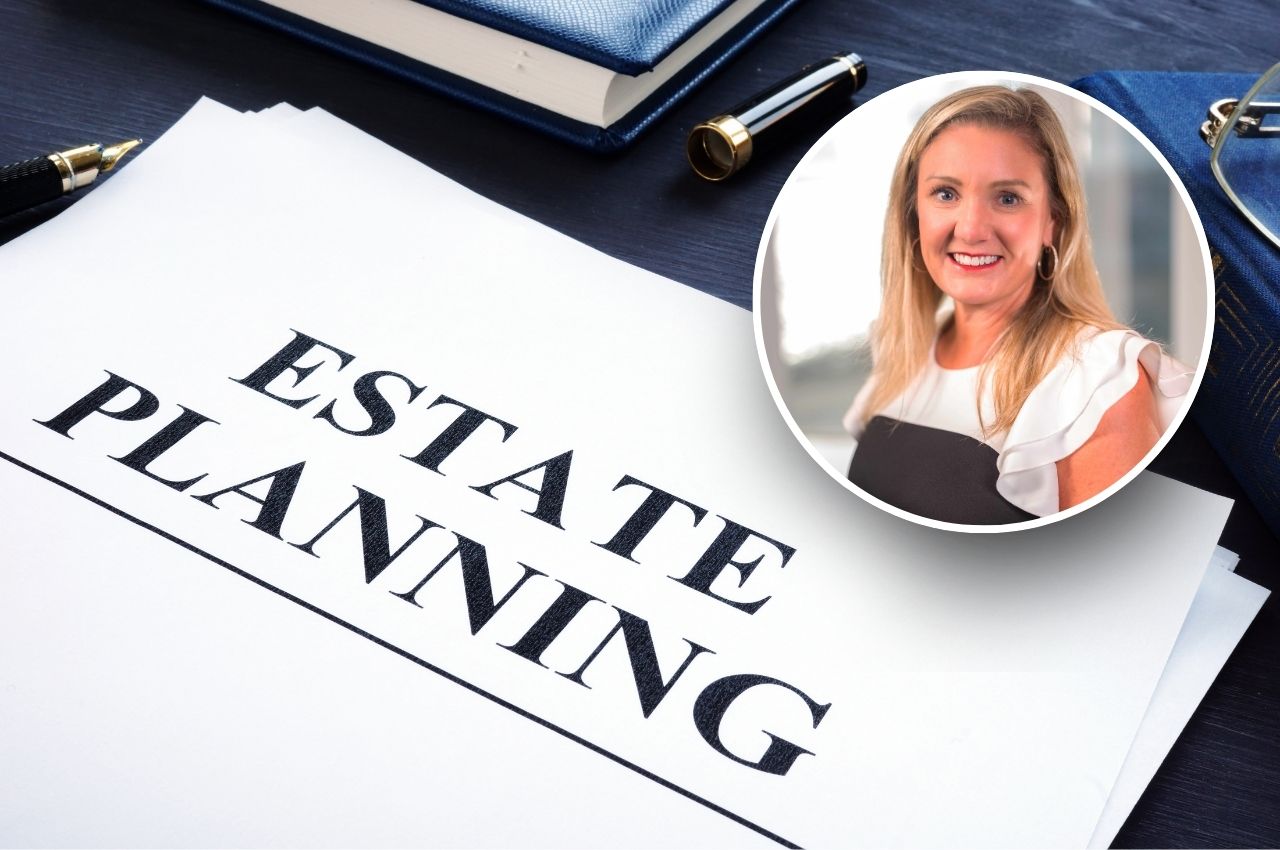
“I think it has to do with facing the inevitable,” said Whitney Smith, an attorney with Fleet, Smith & Freeman in Shalimar. “People don’t want to face that reality.”
Smith said the reasons people put off estate planning are understandable. Young people feel they have time. Older individuals avoid the discomfort. When they finally act, it’s often a big trip or a major financial change that forces the issue.
- But waiting too long, or turning to a cheap shortcut, can cost a family far more than it saves.
The DIY trap
Online legal templates, website generators and office supply store kits have made estate planning feel as easy as filling out a form. Smith said economics and convenience are the main drivers pushing people toward those options, but the documents they produce often fall short when they matter most.
Smith said the biggest risk with DIY plans surfaces when someone wants to do something contrary to Florida’s default inheritance laws, such as disinheriting a child. In those situations, she said, having an attorney involved makes a critical difference.
“The benefit of going to an attorney is I’m the only one that can testify,” Smith said.
Smith said common issues she sees with DIY plans include missing or incorrect witnesses, improper notarization and a failure to think through the practical details of how a plan will actually be carried out.
She said many DIY plans fail to address practical details. She pointed to a common example: someone leaves a partner a life estate in a home, with the remainder going to their children, but the document never spells out who pays for maintenance or repairs.
- “Ultimately, it’s their desires. They have a goal of what they want, but I’ve got to try to accomplish that goal through the drafting,” Smith said.
Smith added that Florida does not accept holographic, or handwritten, wills, and there are specific legal requirements that documents must meet to be valid.
A DIY plan that is technically legal can still fail a family if the intent behind it cannot be carried out. Smith said she has seen cases where a trust was created within a will but no trustee was named, or where children were listed by name but the plan failed to account for future children.
When a document is unclear or contains conflicting instructions, families may be forced to file what is called a declaratory action, asking a judge to interpret the document. That process can be more expensive and time-consuming than having no plan at all.
“It’s going to be cheaper and more economical to start from scratch rather than me trying to figure out what you have and try to piecemeal it together,” Smith said.
What only an attorney can do
Smith said one of the biggest advantages of working with an attorney is something most people never consider: the ability to testify about a client’s intent.
Smith said she takes detailed notes during client meetings documenting not just what decisions a client makes, but why.
- “I can testify as to the reasons why they did what they did, whereas someone who simply witnessed a signature cannot,” Smith said.
She said that distinction becomes critical when an estate plan is contested. Under Florida law, someone challenging a plan must demonstrate undue influence. The defense against that claim often depends on being able to show exactly why the person who created the plan made the choices they did.
“A lot of times I call the attorney that drafted it right away and say, ‘What evidence do you have? Show me what you got,'” Smith said. “And sometimes they don’t have anything.”
More than a document
Smith said working with an attorney is not simply about producing paperwork. The process at Fleet, Smith & Freeman involves analyzing a client’s family, lifestyle and assets to build a plan tailored to their specific goals.
“It’s a plan. It’s your plan, and it’s your desires, and so we really talk about who gets what and when, and who’s in charge,” Smith said.
She said the firm builds plans that go well beyond a standard will or trust. Depending on the situation, that can include deeds, stock transfers, pre-need guardian designations and trust structures designed around specific family needs.
“Not everybody needs a trust. Not everybody needs a will,” Smith said. “We’re not cookie cutter. Once I do your analysis and see what you have, I can make the plan according to what you actually need.”
Smith said trusts can be structured in a variety of ways, including income matching, age-based distributions and time-released access, giving families control over how assets are managed for future generations.
Florida-specific pitfalls
Smith said Florida law presents specific challenges that make professional guidance especially important, particularly for blended families.
- “In Florida, you cannot disinherit a spouse,” Smith said. “People don’t understand that.”
She explained that, depending on the situation, if a home is owned solely by one spouse and that spouse dies, the surviving spouse has the right, at their own option, to claim 50% of the house or a life estate. For bank accounts held in only one spouse’s name, the surviving spouse has the right to elect to take 30% to 50%, depending on how the asset is structured.
“Without a prenup or a postnup, the spouse has rights,” Smith said.
Revisit every three to five years
Smith said an estate plan is not a one-time event. She recommends revisiting it every three to five years, or whenever a major life change occurs, including marriage, divorce, the birth of children or a significant change in assets.
“Your life changes every three to five years,” Smith said. “When your kids are babies, you might not have a problem with them going to a sibling in Arkansas. But if your kids are 10 and 13, and both parents die, picking them up and moving them to Arkansas with an aunt or uncle who doesn’t really know them is probably not the best thing.”
She added that divorce should trigger an immediate review because of beneficiary designations on life insurance policies and pension benefits, some of which are governed by federal law and may not automatically update.
For anyone who currently has a DIY plan in place, Smith’s advice is straightforward.
- “Just start from scratch, really,” she said.
Planning for the conversations nobody wants to have
Smith said the most important thing families can do is communicate openly about their wishes, even when it is uncomfortable.
“Talking about death is not easy. Nobody wants to face that reality,” Smith said. “But ultimately, the more things you can document and get into place, the more information people have about what you want, rather than keeping it in the dark.”
She said simple practical details, like knowing which bank accounts exist, what bills are being paid and even the password to a loved one’s phone, can make a difficult time significantly easier for the people left behind.
“Open communication is, I think, the best thing to do when you talk about any estate planning,” Smith said.
Fleet, Smith & Freeman is located in Shalimar and serves clients throughout the Florida Panhandle. More information is available at fleetsmithlaw.com.